
Security vendors throw around “penetration testing” and “vulnerability assessment” as if they were interchangeable. They are not. One finds problems; the other proves how far those problems can reach. Understanding the distinction affects budget, scope, compliance posture, and how quickly your team can act on findings.
What a Vulnerability Assessment Involves
A vulnerability assessment is a systematic scan of your environment—servers, endpoints, web applications, network devices, cloud configurations—using authenticated and unauthenticated tooling to identify known weaknesses. The output is a prioritized list: CVE references, severity scores, affected hosts, and remediation recommendations.
It does not attempt exploitation. It answers the question: what is broken or out of date? Think of it as the inspection step. Fast, repeatable, and ideal for tracking posture over time.
What Penetration Testing Involves
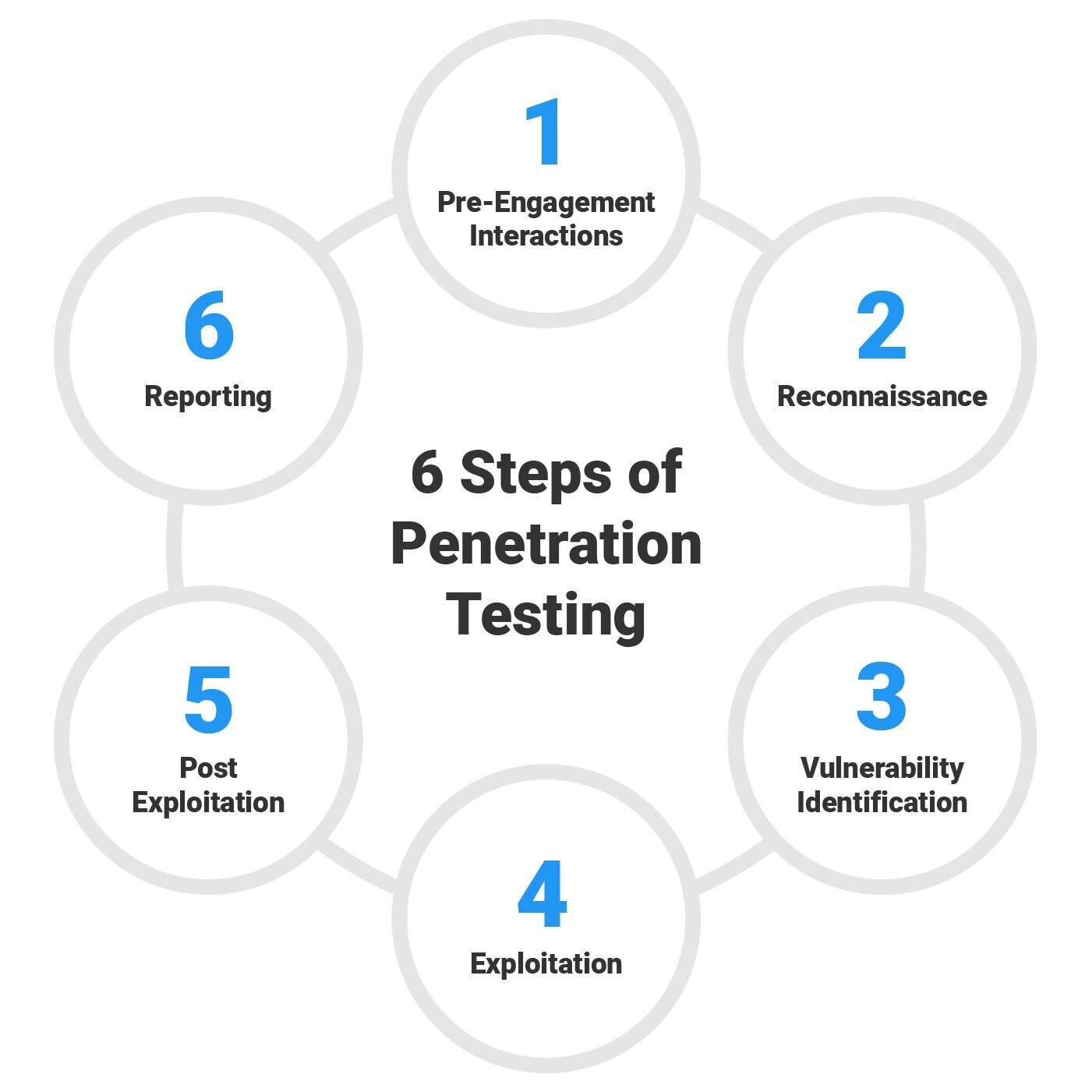
Penetration testing goes further. A human attacker—acting within agreed rules of engagement—chains findings together to reach a goal: domain admin, customer data, source code, financial systems, or a defined flag. The tester uses the same initial vulnerability list but adds manual exploitation, privilege escalation, lateral movement, and persistence techniques.
The output is a narrative: how access was obtained, what was exposed, what an attacker could realistically achieve. It answers: so what?
When to Use Each
Run a vulnerability assessment when you want continuous visibility—quarterly or monthly snapshots, pre-deployment checks, or after major infrastructure changes. Run a penetration test when you need to validate controls, prove impact to leadership, satisfy a customer requirement, or meet a compliance deadline.
Many organizations run assessments quarterly and penetration tests annually, with targeted tests after significant application releases.
Cost Differences
Vulnerability assessments are typically priced per asset or as a flat recurring fee. They are largely automated, with analyst review for false-positive reduction. Expect lower cost and faster turnaround—often days, not weeks.
Penetration testing is labor-intensive. Pricing reflects scope, target complexity, test type (black, gray, or white box), and reporting depth. A web app pen test and an internal network pen test cost differently, and both cost more than an assessment of the same surface. The tradeoff is evidence: a pen test produces a defensible record of real-world risk.
Frequency Recommendations
- Vulnerability assessments: at minimum quarterly; monthly for environments with frequent change, exposed services, or regulated data.
- Penetration tests: annually at minimum, plus after major releases, acquisitions, architecture changes, or significant findings from the previous test.
- Ad hoc: both should be triggered by incidents, new third-party integrations, or customer-driven due diligence.
Compliance Requirements
PCI DSS requires quarterly vulnerability scans (internal and external, ASV-certified for external) and annual penetration testing covering the entire cardholder data environment. SOC 2 and ISO 27001 do not mandate a fixed cadence but expect documented risk-based testing. HIPAA, CMMC, NIST 800-171, and similar frameworks reference regular assessment and validation without prescribing exact intervals.
Contracts often go further. Enterprise customers, insurers, and regulated partners increasingly require annual pen tests with remediation evidence. Treat compliance as the floor, not the target.
How Envescent Delivers Both
Envescent runs vulnerability assessments and penetration testing as separate, complementary engagements—never blurring the two in a single ambiguous report. Our assessments combine authenticated scanning with manual validation so your team is not chasing false positives. Our penetration tests are conducted by experienced consultants who write findings your engineers and your auditors can both act on.
Every engagement includes:
- Scoping call to define targets, rules, and objectives.
- Testing by analysts who understand modern attack paths, not just scanner output.
- A report with reproducible steps, evidence, and prioritized remediation guidance.
- A walkthrough session for technical and leadership audiences.
- Optional retesting to confirm fixes.
Whether you need quarterly scans to keep a certification current, a deep pen test before a customer audit, or both as part of a longer security program, we tailor scope to your environment and risk profile—not to a packaged SKU.
Talk to Envescent
If you are unsure which engagement fits your next milestone, that is exactly the conversation to have before signing a statement of work. Contact Envescent to scope a vulnerability assessment, a penetration test, or a combined program—and get findings you can actually act on.